
Selling a home
Repairs before selling in Myrtle Beach: is the roof over 20?
Start with an old roof, the heating and air, and termites. Big remodels can wait.
- 20 yearsthe average life HUD gives a shingle roof
- About 1 in 6houses for sale here built 2005 or earlier advertise a new roof
- About 60%of a kitchen remodel's cost comes back at sale, in a national survey
By Devin Day, Operations Officer · Reviewed by Tim Nash, Broker-in-Charge · Updated November 8, 2026
What a buyer's lender, insurer and termite inspector check on a Horry County house, the cheap fixes that help, and the projects to skip.
The short answer
Fix what can stop a buyer's loan or insurance. That means a worn or leaking roof, heating or air that does not work, bare wiring, and termites or wet wood under the house.
Then do the cheap things agents recommend most, such as decluttering, cleaning and tidying the front. Skip big remodels: in a national survey, a complete kitchen remodel got back about 60 percent of its cost at sale.
South Carolina's disclosure law does not require a seller to make repairs. A buyer's lender, insurer or contract can.
Selling soon? Have us walk your house and name what a buyer's inspector will flag.
Have us walk your houseWhich repairs can stop a house sale in Myrtle Beach?
The repairs that matter most are the ones a buyer's lender or insurer will not accept. Three inspections look for them: the appraisal for the buyer's loan, the insurer's four-point inspection and the termite report. Each one looks at different parts of the house:
| Part of the house | FHA loan appraiser | Insurer's four-point inspection | CL‑100 termite report |
|---|---|---|---|
| Roof | At least 2 years of life left, and no leaks. If not, a roofer must inspect it. | Its age, its years of life left and the date of the last roofing permit | Not checked |
| Heating and air | Heat that keeps the house at 50 degrees or more. Air conditioning, if the house has it, must work. | The system's age and the year it was last updated, with a photo of its dated label | Not checked |
| Water heater and pipes | A pressure-relief valve and its pipe on the water heater | The water heater's age, its relief valve and any leak; the type of pipe, including polybutylene, a plastic pipe | Not checked |
| Wiring | No frayed or bare wires | The panel's brand, model and age, and any older kind of wiring: aluminum, cloth-covered or knob-and-tube | Not checked |
| Termites | Any sign of termites, or of a past treatment, means a pest inspection | Not checked | Termites and other wood-destroying insects, and their damage |
| Wood under the house | Not checked | Not checked | Wood moisture of 20 percent or more, and rot below the main floor and at the bottoms of outside doors, steps and porch posts |
The lender column uses the rules for an FHA loan, a home loan insured by the Federal Housing Administration. Its appraiser's checklist is written down in detail, so this page uses it as the example. The appraiser runs the heat, the air conditioning and the plumbing. The lender decides which repairs are required.
A buyer may use a regular loan instead. Fannie Mae is a company that buys home loans from lenders. It does not buy one on a house with damage that affects its safety, soundness or structure until the damage is fixed. A cash buyer has no lender to satisfy.
What a buyer's insurer asks
Some insurers ask for a four-point inspection before they insure an older house. The insurer column lists the questions on a sample four-point form from Citizens Property Insurance, an insurer in Florida. An insurer here can use its own form. A wind mitigation report is a different inspection, and our coastal insurance page covers it.
Should you replace an old roof before selling?
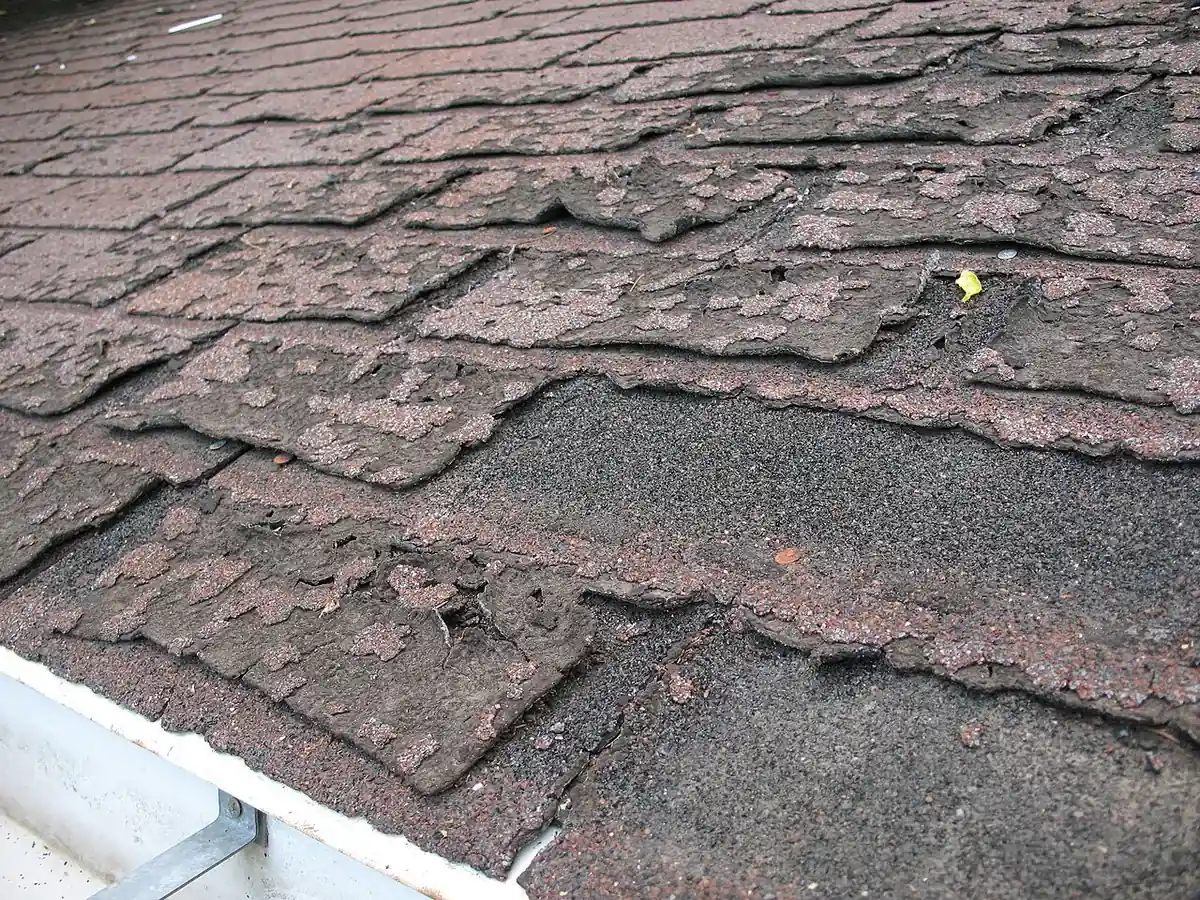
Not always. If it does not leak and a roofer finds at least two years of life left, an FHA loan's appraiser can accept it. A buyer's insurer may still ask how old it is. A roof that leaks, or has less life left, is the one to replace or to price into the sale.
HUD, the federal housing department, gives an asphalt shingle roof an average life of 20 years in its table of building parts. The table was made for repair budgets on apartment buildings. It is an average. A roof can last longer or fail sooner.
Example: a house built in 2003
About half of Horry County's homes were built in 2003 or earlier. A house built that year is 23 years old in 2026. If its parts are the ones it was built with, this is where each one stands on HUD's table:
- Asphalt shingle roofHUD's life: 20 yearsPast it at 23
- Heat pump or air conditioner, the outdoor unitHUD's life: 15 yearsPast it at 23
- Water heaterHUD's life: 12 yearsPast it at 23
- Main electrical panelHUD's life: 50 yearsNot yet at 23
A metal roof is in the same table at 50 years. If a part was replaced after the house was built, the age that matters is the part's age, not the house's.
What to do about an old roof that does not leak
- Find out how old it isLook for the roofer's invoice and the job's permit number. Horry County's roof letter, a form the owner or roofer signs in front of a notary for a roof job, also lists the permit number. The four-point form asks for the date of the last roofing permit.
- Have a roofer look at it before you listAsk for the years of life left, in writing. The four-point form asks for that number.
- Decide once you have the roofer's letterTwo years or more: keep the letter with the house papers. Less than two: replace the roof, or price the house for a buyer who will.
Not sure how old your roof is?
Send us what you know about it: the year, the roofer, any papers. We tell you how a buyer's inspector and insurer will see it before you list.
Have us check your roof's ageShould you replace the heating and air, the water heater or the wiring before selling?
Replace one before selling if it does not work, or if it is missing what the buyer's appraiser checks. Air conditioners here run more than in a northern city such as Columbus, Ohio, by NOAA's climate records.
- Heat pump or air conditionerHUD's table gives the outdoor unit 15 years and the indoor unit 20. The appraiser's checklist asks that the heat keep the house at 50 degrees or more. Central air is not required, but if the house has it, it must work, or the appraiser reports the cost to fix it. The four-point form wants a photo of the unit's dated label.
- Water heaterHUD's table gives a home water heater 12 years. The appraiser's checklist asks for its pressure-relief valve and the pipe from it. The valve lets escaping steam or hot water out safely through the pipe.
- Wiring and the electrical panelThe main panel is the metal box of breakers. HUD's table gives it 50 years, so on most houses here age is not the question. The four-point form asks the panel's brand, model and age. It also asks whether the house has any of three older kinds of wiring: aluminum, cloth-covered or knob-and-tube.
- Aluminum wiringHomes wired from 1965 to the mid-1970s may have aluminum wiring in the circuits to outlets and lights. About 22,000 Horry County homes were built from 1960 to 1979. A house from those years is the one to have an electrician look at before a buyer's inspector does.
A new heat pump or water heater that works is easy for a buyer to see and easy for an insurer to date. Keep the installer's invoice with the house papers.
What is a CL‑100, and what does it check?
The CL-100 is South Carolina's termite and moisture report for a home sale or loan. It is written on the state's form, the Official South Carolina Wood Infestation Report. A buyer's FHA lender must confirm the house is free of termites, and the loan file must hold this report or a national one.
Under state regulation 27-1085, a licensed pest control inspector writes it on the state's form and signs it with their own and the company's license numbers. The inspector looks at every part of the house they can reach, including the crawlspace and the attic. They probe any damage they see and take wood moisture readings across the crawlspace.
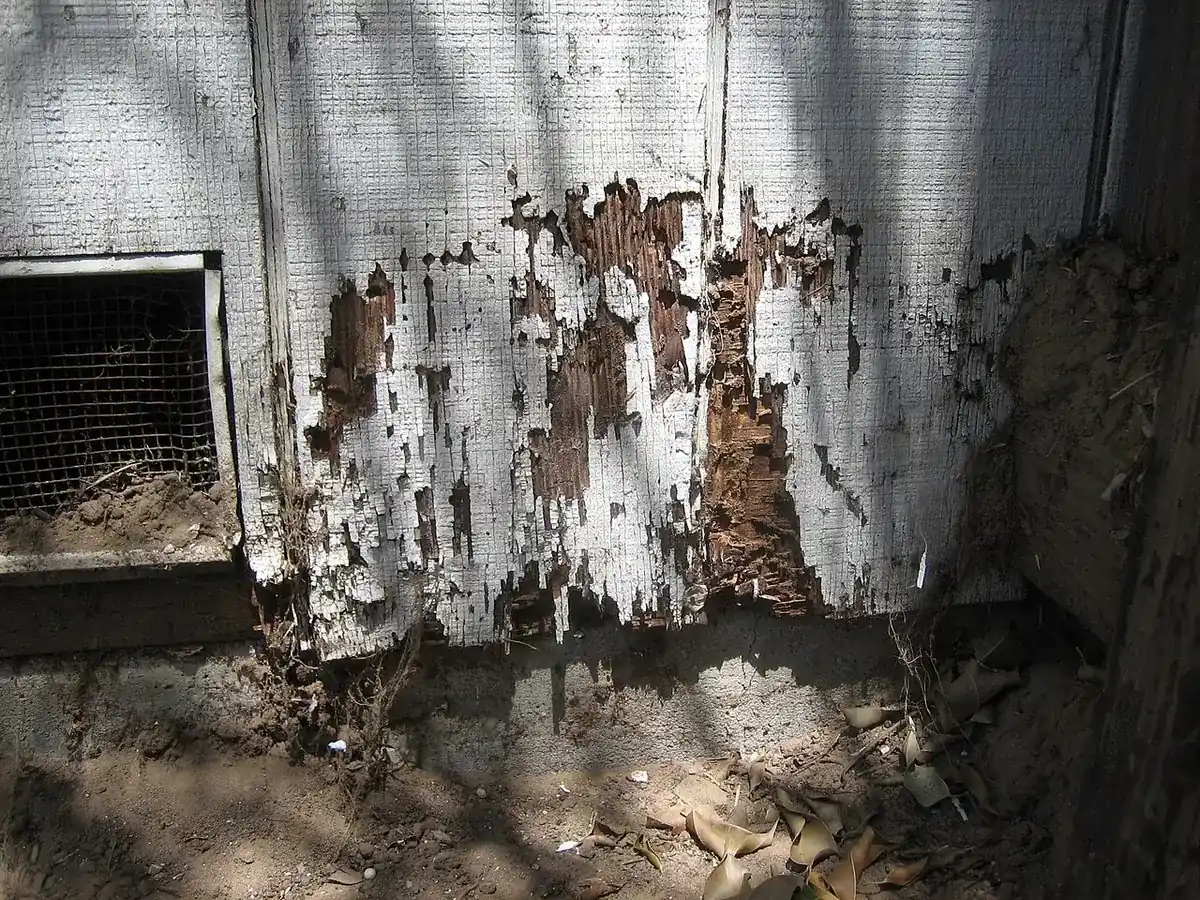
The report covers termites and other wood-destroying insects in every part the inspector can see and reach. It also covers rot below the main floor, plus rot in the bottoms of outside doors, door frames, steps and porch columns.
- Wet wood under the houseThe report flags "excessive moisture" when wood under the house reads 20 percent moisture or more, or water stands in the crawlspace. The usual fix is a plastic vapor barrier over the crawlspace soil, or more foundation vents.
- Old damageThe report must list all damage, even damage left in places that were repaired before. Keep the papers from any past treatment or repair.
- What it is notIt is not a warranty against termites, and it does not oblige the pest company to fix what it finds.
Older houses here are more likely to have a crawlspace. About 4 in 10 houses for sale built in 1985 or earlier list a crawlspace, against about 1 in 35 built 2006 to 2015. Most newer houses for sale here list a slab foundation, a concrete floor poured on the ground, with no crawlspace to get wet.
Got a CL-100 or an inspection report you do not understand?
Send it to us. Our agents read it with you and mark what a buyer will ask you to fix.
Send us the reportWhat are other sellers in Horry County fixing before they list?
Older houses for sale here advertise new roofs and new heating and air. Of the houses for sale in Horry County built in 2005 or earlier, about 1 in 6 advertise a new roof. About 1 in 8 advertise new heating and air.
We read the listing of every house for sale in Horry County on our site and counted the ones that say so. These houses compete with yours. A buyer who sees "new roof" on the house next door will ask about yours. Here are some of them:
Which cheap fixes help a house sell?
Clearing out, cleaning and tidying the front of the house help most, in NAR's 2025 national survey of agents. These were the fixes agents most often recommended to sellers. NAR is the National Association of Realtors, and curb appeal is how the house looks from the street.
- 91%Declutter
- 88%Clean the whole house
- 77%Tidy the front of the house (curb appeal)
- 76%Professional photos
- 75%Minor repairs
- 74%Clean the carpets
- 72%Put away family photos and personal things
- 67%Touch up the paint
Each number is the share of agents who recommended that fix to sellers.
Is a kitchen or bathroom remodel worth it before selling?
Usually not. In NAR's 2025 national remodeling report, a complete kitchen remodel got back about 60 percent of its cost when the house sold. A bathroom remodel got back about 50 percent.
The report's list of top projects has no row for a new roof or new heating and air, so the chart cannot show one. Agents in the same report told sellers to paint the whole house or put on a new roof more often than to upgrade the kitchen.
Which fixes are worth it on your house?
Send us the address. We price your house as it is and fixed up, from recorded sales near it, so you can see which fixes a buyer will pay for.
Have us price it as is and fixedShould you get a pre-listing inspection before selling?
A pre-listing inspection is a home inspection you order before the house goes on the market. It is most useful on an older house, where the roof, the heating and air or the wiring may be near the end of its life. There are reasons for and against one:
For
- You learn what a buyer's inspector will find before you set the price, not in the last weeks of the sale.
- You choose who does the repairs, and when.
- You can price the house with the problems in mind.
Against
- The disclosure form asks what you know. Once you read the report, you know what it found.
- The buyer can still order their own inspection. Under state law, the buyer still has the duty to inspect.
- It costs money before you have a buyer.
Our page on the seller disclosure form covers what happens when you attach a report to the form, and goes through the form question by question. A South Carolina real estate attorney can tell you how the disclosure law treats a report you paid for.
Fix it, give a credit, or sell as is?
Before you list, and again after the buyer's inspection, you have three choices on each problem:
- The buyer's loan requires itFix itThe lender can require a repair before closing. It can be a roof the lender will not accept, or damage to the structure.
- Help with costsGive a creditYou pay toward the buyer's costs, and the buyer makes the repair after closing. The buyer's loan limits how much a seller can pay toward those costs.
- You will not fix itSell as isUnder South Carolina's disclosure law, buyer and seller can agree to an as-is sale. You still fill in the disclosure form. Our cash offer page covers selling as is to an investor.
To choose between a fix and a credit, get a written price for the fix and compare it with what the buyer asks for. This page gives no repair prices. They change with the house and the company, and we found no public source for prices here.
If something changes after you hand over the disclosure form, such as a new leak, state law says you correct the form or make reasonable repairs before closing.
Our net proceeds calculator shows what a credit or a lower price leaves you.
Common questions
Repairs before selling FAQ
Who pays for the CL-100 in South Carolina, the buyer or the seller?
The state regulation for the report does not say who orders it or who pays for it. The buyer and seller agree on that in the sale contract. A buyer's lender can also ask for one before it lends.
How old can a roof be for insurance in South Carolina?
We found no roof age limit in South Carolina's insurance laws. Insurers can still ask about the roof. The sample four-point form from Citizens, a Florida insurer, asks for the roof's age and its years of life left.
How long is a CL-100 good for?
A CL-100 has no expiry date in the state regulation. A buyer's lender or the sale contract can ask for a report done within a set number of days.
Do I have to fix what the buyer's inspector finds?
Not under South Carolina's disclosure law. You fix what you agree to fix in the sale contract, and a buyer's loan can still require some repairs before it closes.
Are repairs before selling tax deductible?
The IRS treats painting and fixing leaks as repairs. Repairs do not go into your home's basis, what you paid plus improvements, unless they are part of a larger remodeling job. A new roof is an improvement and does. A tax professional can tell you how this applies to your sale.
Sources: HUD Handbook 4000.1, HUD useful life table, Fannie Mae B4-1.3-06, Citizens inspections, Horry County roof letter, SC Reg. 27-1085, SC Code 27-50, SC disclosure form, Census ACS 2025, NOAA climate normals, CPSC Pub. 516, NAR 2025 staging, NAR and NARI 2025, IRS Pub. 523. Houses for sale counted from the listings on our site, Horry County, November 8, 2026, in aggregate. Home ages: Census ACS 2025 1-year, all homes.
Legal notice. Chapter3 Realty Corp is a licensed South Carolina real estate brokerage. We are not attorneys, inspectors or tax advisers, and nothing on this page is legal or tax advice. For advice on your own sale, talk to a South Carolina attorney or a tax professional.
Get your house ready for a buyer's inspector
Send us the address. Our agents tell you what to fix first, what to leave, and what a buyer's lender and insurer will ask for.
Have us make your fix list