
The 2026 election
Annie Andrews wants a first-time buyer tax credit. What the last one did to home prices, nationally and in Myrtle Beach:
a small rise nationally, while Myrtle Beach prices kept falling until 2012.
By Devin Day, Chief Operating Officer, and Abdulla Hijazi, Chief Marketing Officer · Reviewed by Tim Nash, Broker-in-Charge · Updated November 4, 2026
The $50,000 credit she backs has not passed. The last federal credit, up to $8,000, was open while Myrtle Beach prices fell.
The short answer
Annie Andrews backs a $50,000 federal tax cut to help first-time buyers pay their down payment. Her plan names no bill. The closest match, H.R. 3475, a credit equal to the down payment up to $50,000, has had no vote.
The last federal credit, up to $8,000, ended in 2010. It lifted sales and prices a little nationally. Myrtle Beach prices fell through it and until late 2012.
If a new credit passes, past examples point to more sales and slightly higher prices at first, then fewer first-time buyers for some years. No study measures a credit of $50,000.
Buying your first home? Use the help that exists today
Ask which help fitsIs there a first-time home buyer tax credit in 2026?
No federal one. The last federal first-time buyer credit ended in 2010, and the credits proposed since then have not become law.
The U.S. Treasury wrote in 2024 that “there is currently no tax credit to support home purchases by first-time homebuyers.” State help is different. South Carolina's housing agency, SC Housing, offers down payment help that buyers here can use now. Our guide to SC Housing's down payment help explains who qualifies. Our agents check which program fits a buyer before the offer goes in.
What exactly did Annie Andrews say?
Andrews, whom the AP called the winner of South Carolina's U.S. Senate race on election night, wrote this in her affordability plan:
“Members of Congress from both parties have proposed a $50,000 tax cut to help first-time homebuyers offset the cost of their down payment. This is a great idea, and I’m excited to work with both Republicans and Democrats to get this one done.”
Annie Andrews, her affordability plan, page 13
Her plan names no bill. The bill that best matches her words is most likely H.R. 3475, which a Republican introduced and five Democrats cosponsored. That match is our reading of her plan; her campaign did not name the bill.
What is the $50,000 tax credit in H.R. 3475?
H.R. 3475 is a House bill for a federal tax credit equal to a first-time buyer's down payment, up to $50,000. Its full terms, from the bill's summary on congress.gov, are below.
| How much | A federal tax credit equal to the buyer's down payment, up to $50,000. |
|---|---|
| Who | First-time home buyers. |
| Income | The credit starts to shrink above $150,000 of income for a single filer, $225,000 for a head of household and $300,000 for a married couple filing jointly. The limits rise with inflation after 2025. |
| Within five years | The five years start at the purchase. If in that time the home is sold, rented out or stops being the buyer's main home, the credit is added back to taxable income. Some exceptions apply. |
| Builders | A builder credit of up to 15% of construction costs, for a home of 1,200 square feet or less. The home must sell at or below 80% of the area's median home price. The credit is 30% when the buyer is a first-time buyer. State housing agencies hand out the builder credits. |
| Where it stands | Rep. Brian Fitzpatrick, a Pennsylvania Republican, introduced it on May 17, 2025. Its five cosponsors are Democrats. It was sent to the House Ways and Means Committee and has had no vote. |
The credit is a federal income tax credit, so it would apply the same way in Myrtle Beach as in any other state.
Is it the same as the Merkley $50,000 plan?
No. Sen. Jeff Merkley's Homeownership Promise Act is a savings match, not a tax credit. The federal government would add five dollars for each dollar a buyer saves, up to the same $50,000 total. It is in the Senate Banking Committee.
How did the 2008, 2009 and 2010 first-time buyer credits work?
The federal credit was 10% of the home's price, with a cap that changed with the year. A first-time buyer was anyone who had not owned a main home in the three years before. The IRS questions and answers list the basic rules.
| Home bought | Single | Married, joint |
|---|---|---|
| Through Nov. 6, 2009 | $75,000 to $95,000 | $150,000 to $170,000 |
| After Nov. 6, 2009 | $125,000 to $145,000 | $225,000 to $245,000 |
Did buyers have to pay the first-time buyer credit back?
Buyers from 2008 did. Their credit was an interest-free loan, paid back in small shares over fifteen years of tax returns. The IRS retired the repayment form after the last of those returns, for 2024.
Buyers from 2009 and 2010 kept the credit, unless the home stopped being their main home within three years.
Did the last first-time buyer credit raise home prices?
Yes, a little, and it moved sales earlier. A peer-reviewed study in the Journal of Finance measured the last credit across the whole country.
The added buyers came “from several years in the future”: many would have bought later and bought sooner instead. They were about three years younger than typical first-time buyers.
The authors conclude that steadying a falling market likely did more good than the added sales themselves. We found no other peer-reviewed measure of the credit's effect on prices to set beside theirs.
What did Myrtle Beach home prices do from 2008 to 2012?
Myrtle Beach area home prices fell every year. The federal price index for the Myrtle Beach-Conway-North Myrtle Beach area dropped about 26% from the end of 2008 to the end of 2012, its low.
| End of | Index | Change in the year |
|---|---|---|
| 2008 | 211.91 | |
| 2009 | 191.40 | −9.7% |
| 2010 | 181.92 | −5.0% |
| 2011 | 164.86 | −9.4% |
| 2012 | 156.16 | −5.3% |
| 2013 | 158.79 | +1.7% |
What did the $8,000 credit mean next to that fall?
Less than one year of falling prices. At the index's 2009 pace, a home worth $200,000 at the end of 2008 lost about $19,000 of value in a year, more than twice the credit.
The credit did not stop the local fall. The study covers the whole country, so it does not measure how much deeper the fall here would have been without the credit. Prices here turned up only after 2012, and nothing ties that turn to the credit.
Our home value guide shows what homes sell for here now.
What other first-time buyer credits have been tried?
Washington, D.C. had its own federal credit. President Biden proposed a credit that never passed, and Sen. Jeff Merkley proposed a savings match that is in committee. Here they are beside the federal credits.
- Most
- $7,500, or 10% of the price
- Income
- Shrinks from $75,000 single, $150,000 joint
- Paid back
- Yes, over 15 years
- Most
- $8,000; $6,500 for long-time owners from Nov. 7, 2009
- Income
- Shrinks from $75,000 single, $150,000 joint; from Nov. 7, 2009, $125,000 and $225,000
- Paid back
- Only if it stops being the main home within 36 months
- Most
- $5,000
- Income
- Shrinks from $70,000, or $110,000 joint
- Ended
- For homes bought after 2011
- Most
- $10,000, or 10% of the price, half in the year of purchase and half the next
- Income
- Shrinks from $100,000 to $200,000
- Cost
- Treasury's estimate: $31.0 billion over 10 years
- Most
- The down payment, up to $50,000
- Income
- Shrinks from $150,000 single, $225,000 head of household, $300,000 joint
- Within five years
- Added back to taxable income if the home is sold, rented or no longer the main home
- Most
- $5 for each $1 saved, up to $50,000; a match, not a tax credit
- Income
- No income limit
- Rules
- Homes at or below the local median price; a counseling course approved by HUD
President Biden's credit was a budget proposal that no law enacted. Treasury's cost estimate shows the scale of a $10,000 credit, not what it would do to prices.
What would it take for Congress to pass a new first-time buyer credit?
Both the House and the Senate would have to pass the same bill, and the president would have to sign it. The four steps are below.
- A bill in the new Congress.H.R. 3475 is in the House Ways and Means Committee, which writes tax law. A committee vote comes first.
- A House vote.A simple majority of the House passes it.
- A Senate vote.A regular bill needs 60 senators to end debate before the final vote, under the Senate's cloture rule. A budget reconciliation bill has a time limit on debate, so a simple majority passes it.
- The president signs it.The credit then applies on the dates the law names.
CBS News projects that Democrats will control the Senate in the new Congress, with fewer than 60 seats. A regular bill would then need senators from both parties.
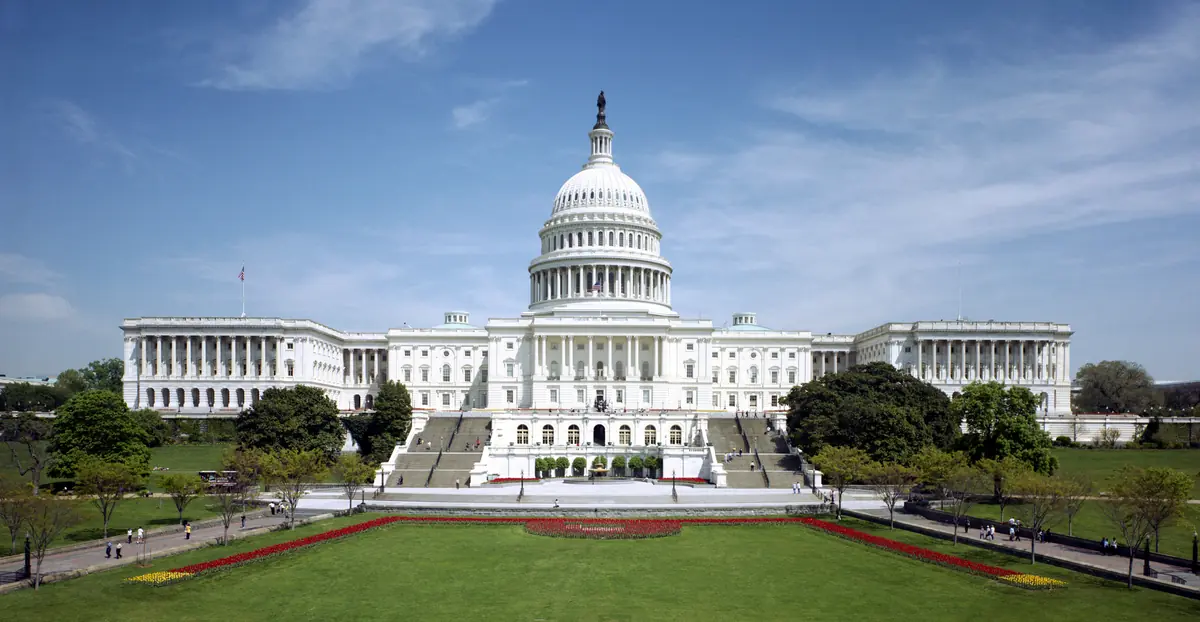
H.R. 3475 already has both parties on it: a Republican sponsor and Democratic cosponsors. Andrews joins the Senate in January.
What could a new credit mean for Grand Strand buyers and sellers?
Past examples give a direction, not a number. Where a credit was tried before, sales rose while it was open, and part of that rise came from buyers who would have bought years later. If one passes here, the same pattern points the same way.
| When | Where it was tried before | If a credit passes here |
|---|---|---|
| First 1 to 2 years: sales | Home sales rose by about 490,000 across the country, or 9.8%, and more people became owners. | More first-time buyers shopping for the homes they buy, while the credit is open. |
| First 1 to 2 years: prices | Median prices rose about 1.1% more in places where first-time buyers were a larger share of the people. In the Myrtle Beach area, prices fell 9.7% in 2009 anyway. | From no rise at all, when the wider market is falling, to a small rise in places with many first-time buyers. |
| 5 years and more | The added buyers came from several years in the future, and the effect did not reverse at once. Local prices hit their low about two years after the credit ended. | Fewer first-time buyers than usual for some years after it ends, spread out, not all at once. In 2009 the wider market moved local prices more than the credit did. |
| Size | The old credit was at most $8,000. | $50,000 is about six times as large. No study measures a credit that size, so the old results are a direction, not a number. |
The Myrtle Beach index is up 0.8% from a year earlier in its latest quarter, about flat.
If you are buying your first home
A bill can change before it passes, so its amount, income limits and start date are not final. The down payment help from SC Housing is open now.
Example: Maria rents in Conway and wants to buy her first home this spring.
She reads about a large federal buyer credit and thinks about waiting for it.
An agent at Chapter3 shows her that the bill has had no vote in Congress.
Her Chapter3 agent also finds state down payment help that Maria can use now.
Maria starts her home search with the state help.
What this means for you: plan with the help that exists today.
If you are selling a home first-time buyers buy
A credit would bring more first-time buyers while it lasts. The last one shows its limit: it did not keep local prices from falling.
Buying your first home before any credit passes?
Tell us your price range and the towns you like. We send the homes for sale there and tell you which SC Housing program fits.
Ask which help fitsWhat else does Annie Andrews plan for housing?
Three more plans in her affordability plan touch housing: a lower cap on large investors, limits on Wall Street buyers, and tax cuts for homebuilders.
- A lower cap on large investors.The ROAD to Housing Act bars an investor that controls 350 or more single-family homes from buying more, starting in January 2027. Her plan: “We should cut that threshold down several times to 50 homes.”
- No Fannie Mae or Freddie Mac loans for Wall Street buyers.Her words: “I’ll work to ban these Wall Street interests from using Fannie Mae and Freddie Mac mortgages to buy up housing.”
- More homes built.Her plan: “We should provide tax cuts to homebuilders to incentivize more construction,” with more workforce housing and housing near the places where jobs are.
The ROAD to Housing Act became law in July without the president's signature. Its investor ban ends 15 years after it starts. Our guide to what the election means for Myrtle Beach buyers and sellers covers both winners' full plans.
State property taxes on rentals are changed by the legislature in Columbia, not by Congress. Our page on Alan Wilson's plan to cut the tax on rentals covers that. For the rest of a first purchase here, our first-time home buyer guide goes step by step.
Common questions
First-time buyer tax credit questions
Is there a first-time home buyer tax credit in 2026?
No federal one. The last federal credit ended in 2010. The $50,000 credit Annie Andrews backs is most likely H.R. 3475, a bill that has had no vote. South Carolina buyers can still use down payment help from SC Housing, the state housing agency.
Do you have to pay back the first-time homebuyer tax credit?
Only buyers from 2008 had to, in small shares over fifteen years of tax returns, ending with the 2024 return. Later buyers owed it back only if they sold the home or stopped living in it within three years.
When was the first-time homebuyer tax credit?
The federal credit covered homes bought from April 2008 to September 2010. The last buyers had to sign a contract by the end of April 2010 and close by the end of September. Washington, D.C. had a separate credit that ended for homes bought after 2011.
Is the Merkley $50,000 plan the same as H.R. 3475?
No. H.R. 3475 is a tax credit equal to the down payment, up to $50,000. Sen. Jeff Merkley's plan is a savings match, not a tax credit. The government adds five dollars for each dollar a buyer saves, up to the same total. It is for homes at or below the local median price.
Did the first-time buyer credit stop Myrtle Beach prices from falling?
No. The Myrtle Beach area price index fell about 26% from the end of 2008 to the end of 2012, through the credit and after it ended.
Sources: Andrews' plan, H.R. 3475, IRS credit rules, IRS Form 5405, Journal of Finance, FHFA price index, Treasury FY2025, IRS Form 8859, Public Law 119-101, Senate cloture. Election results are unofficial until the state certifies them. Educational only, not tax advice.
Plan your first home with the help that exists today
Tell us your price range and the towns you like. We send the homes for sale there and tell you which SC Housing program fits.
Ask which help fits